The Minarets are a group of sharp peaks in the Ritter Range in the Sierra Nevada. They were named in 1868 due to their resemblance of the minarets of a mosque. 17 of the Minarets' peaks have been given unofficial names. The highest was named Clyde Minaret, in honour of Norman Clyde, a famous mountaineer. A number of routes of varying degree of difficulty lead to the top of Clyde Minaret.
(South) Maroon Peak and North Maroon Peak together form the Maroon Bells. They are part the Elk Mountains and probably the most iconic mountains in Colorado. Some believe that they are likely to be the most photographed mountains in all of North America. Unlike most other mountain ranges of the Rockies the Elk Mountains and the Maroon Bells mainly consist of mudstone, which gives the mountains their characteristic color. But this also leads to rock fall being a serious danger, when climbing the mountains. This is why the White River forest service also named them the “Deadly Bells” on a warning sign.
Kings Peak is Utah's highest summit. Before 1966, when sattelite measurements were taken, the second highest summit South Kings Peak was believed to be the higher of the two mountains. Both mountains were named after Clarence King, a surveyor and the first director of the United States Geological Survey.
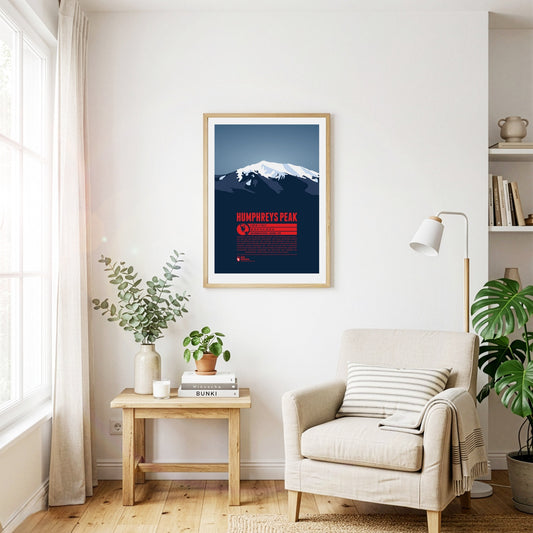
Humphreys Peak, a dormant volcano, is Arizona's highest mountain and the highest peak of the San Francisco Mountains. It is considered to be the easiest of all the US state high points to summit. Many hikers start the ascent from the nearby ski area Arizona Snowbowl, following a 5 mile trail. The San Francisco Mountains are of significant spiritual importance for a number of native tribes, among them the Navajo and the Hopi.
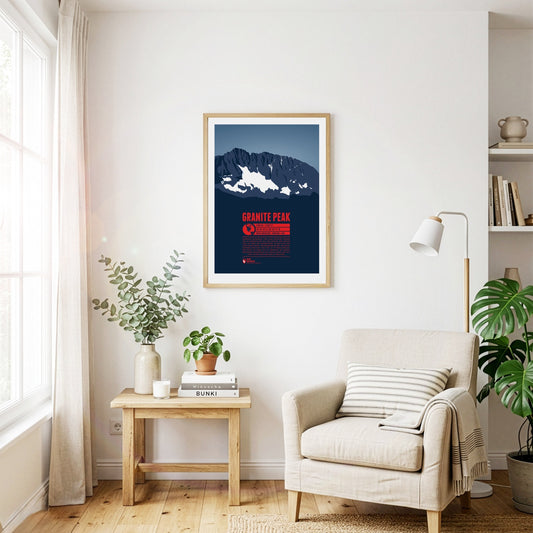
Granite Peak is the highest point in Montana and in the Beartooth Mountains. Of all the ascents of the US state high points Granite Peak is considered to be one of the most difficult. It was also the last of the state high points to be climbed. The first ascent took place only in 1923. While it is possible, to reach the summit in one day, most mountaineers choose to make the ascent in a two day tour.
Being only the second highest peak in Wyoming after Gannett Peak, Grand Teton is surely the more famous mountain in the state, as well as one of its best-known landmarks. It is also one of the prime destinations for climbers in the Rocky Mountains. Grand Teton is the highest point in the Teton Range, the geologically youngest Rocky Mountains subrange, with a number of peaks rising up dramatically about 5000 to 7000 feet (1500 - 2100 m) on the eastern side, making it one of the most iconic mountain ranges of the Rockies. The name goes back to French trappers who named the three Tetons, Grand, Middle, and South in the 19th century. The native American name of the Shoshone tribe can be translated with “Hoary Headed Fathers.”
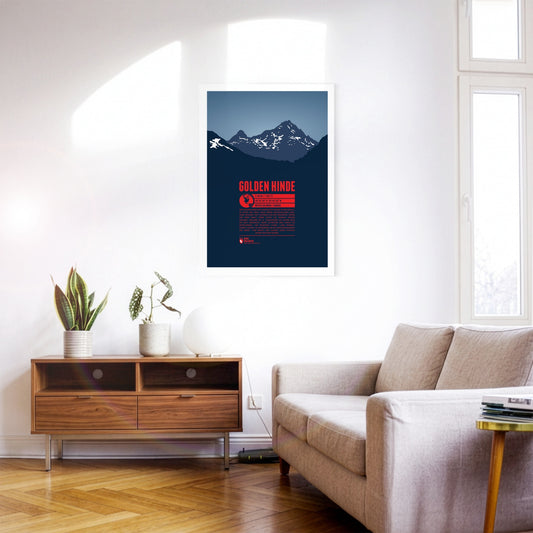
The Golden Hinde is the highest point on Vancouver Island, located very close to the island's geographical center. Clearly visible from the west coast, it was named after the ship used by Sir Francis Drake, who was the first British to sail around the world in the 16th century. Early alpinists called the mountain “The Rooster's Comb”, due to its apperance, before it got its official name in 1938.
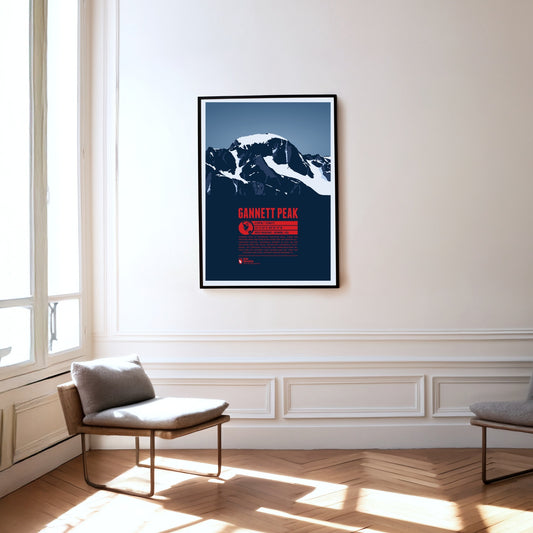
Gannett Peak is the highest mountain in Wyoming and the highest peak of the Wind River Range and the Greater Yellowstone Rockies. It is also the highest summit of the Rocky Mountains outside of Colorado. The largest glaciers in the American Rocky Mountains and the remote location of the mountain make it quite difficult to climb.
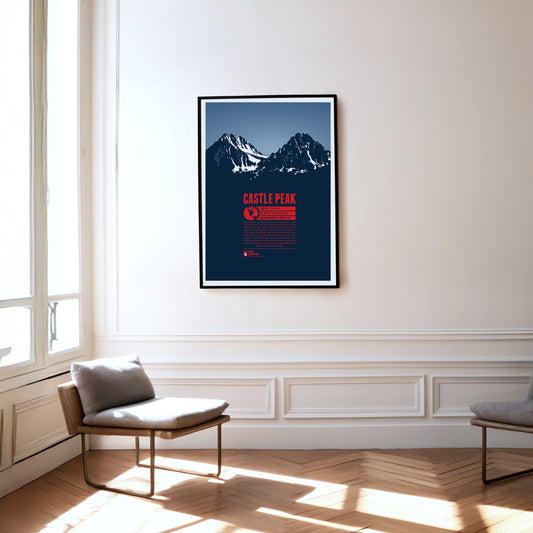
Castle Peak, in the centre of Idaho, is the highest mountain in the White Cloud Mountains, a range within the Rocky Mountains. It rises above nearby Merriam Peak to the north. On clear days you can see more than 25 lakes from the summit. The Bald Mountain, Dollar Mountain and Soldier Mountain ski areas are close by. With a climbing grade of III, the ascent to the summit is best left to experienced mountaineers.
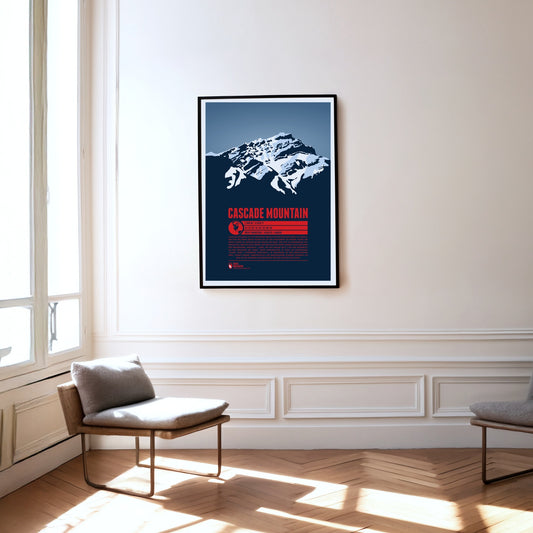
Cascade Mountain is a familiar sight for visitors to Banff in Alberta. The foot of the mountain reaches almost to the town boundary in the north, and pictures of Banff Avenue in the centre often show the peak rising impressively above the town in the background. Like its present-day name, the Indigenous name "Minihapa" ("mountain where the water falls") refers to the waterfall on the mountain's southern flank. Among locals the name "Stoney Chief" is also common, echoing the neighbouring mountain "Stoney Squaw". The nearby Norquay Ski Area is a popular starting point for the ascent to the summit.
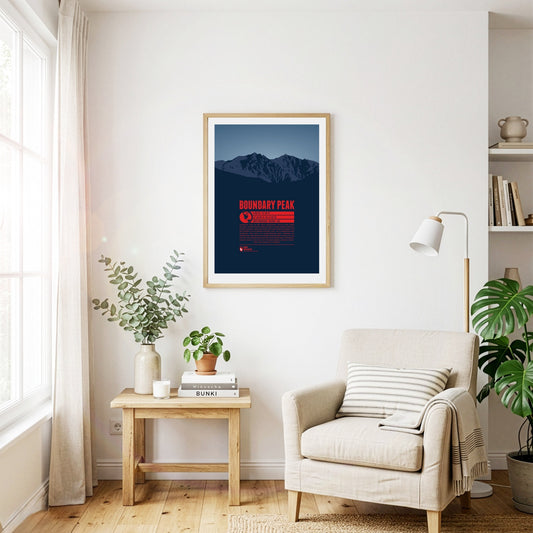
Boundary Peak in the White Mountains, east of the Sierra Nevada, is the highest natural point in Nevada. The summit got its name because it is siutated only one kilometre from the state border to California. Boundary Peak is generally considered not to be an independent mountain, but a sub-peak of the significantly higher Montgomery Peak (13441 ft) on the Californian side of the White Mountains. Thus Boundary peak has a relavively low prominence of only 253 feet.
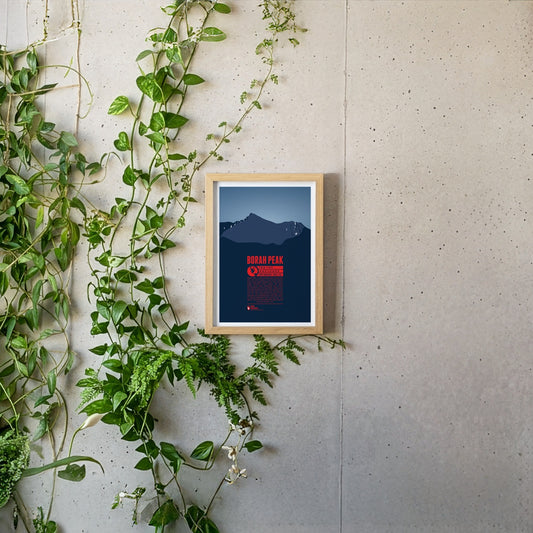
Borah Peak is Idaho's highest mountain and the highest peak of the Lost River Range in the Rocky Mountains. It is surrounded by many of the other highest mountains of the state, like Mount Idaho or Leatherman Peak. Borah Peak was named after William Borah, a long-term serving US-senator from Idaho. On the way to the summit one has to cross passages, usually covered with ice and snow, year-round, which makes ascending the mountain quite challenging. The first successful recorded ascent was made in 1912.
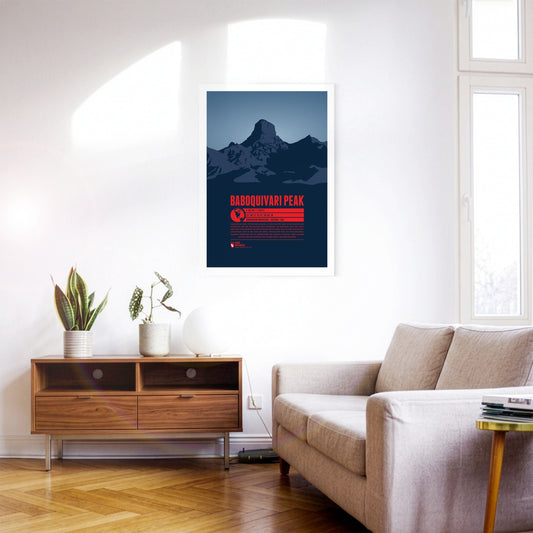
Baboquivari Peak, in southern Arizona, is the highest point in the Baboquivari Mountains and the Baboquivari Peak Wilderness. The mountain top rises up sharply and is a popular destination for tourists and climbers. The Kitt Peak National Observatory lies close-by. Baboquivari Peak is of particular importance for the native Tohono O’odham people. According to their believe the creator I'itoi resides in a cave below the mountain base.
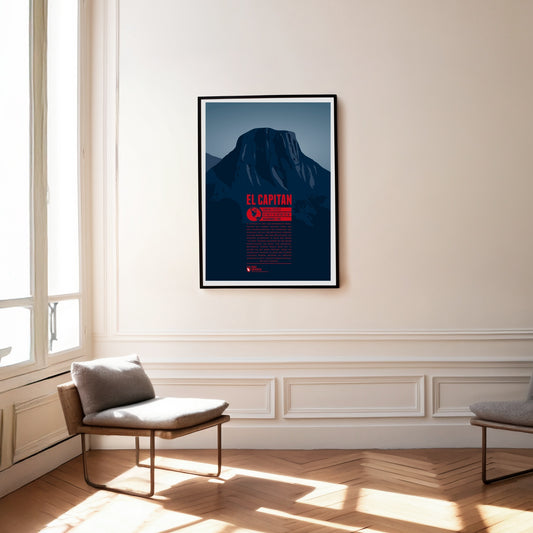
El Capitan is one of the most famous landmarks in Yosemite National Park and a dream destination for climbing fans from all over the world. The rock face, a good 1000 metres high, has a south-western and a south-eastern flank. The south ridge between them is known as "The Nose" and was climbed during the first ascent of the wall in 1958. More than 70 routes have since been established on the face; the fastest ascents have been completed in under two hours, while the longest stays on El Capitan's walls have lasted more than 200 days.