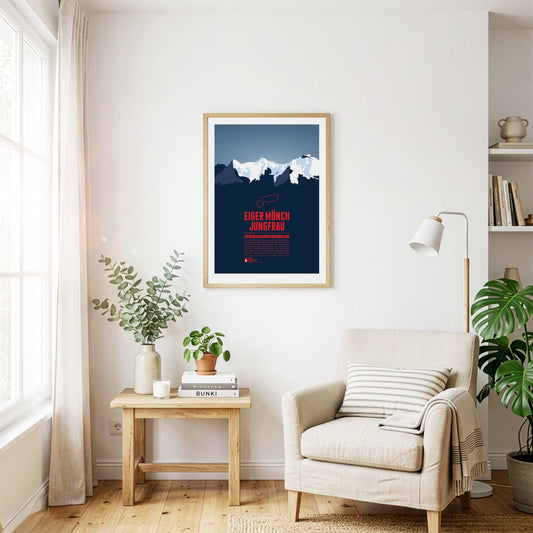
Eiger, Mönch, and Jungfrau form one of the most famous and characteristic mountain groups in Switzerland and in the whole Alpine region. The Jungfrau in the West is the highest of the three summits. Since 1912 a rack railway, which has been named after the Jungfrau, is making its way up via Eiger and Mönch to Europe's highest railway station Jungfraujoch on 3454 metres.
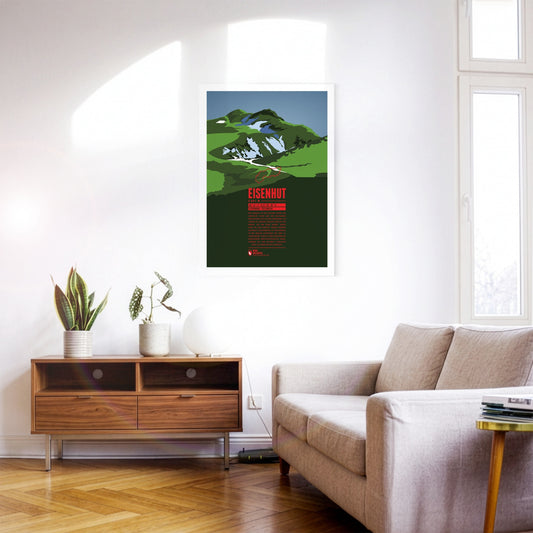
Eisenhut, “the Iron Hat”, is the highest peak of the Gurktal Alps and the Nock Mountains. It is located in Styria close to the border with Carinthia in the south. As the name suggests, iron ore used to be mined around the Eisenhut. Mining in the region has been documented since the 13th century. Today, tourism is an important economic factor, especially with the ski resort Turracherhöhe, south-west of the Eisenhut.
The “Eisriesenwelt” (the World of the Ice Giants) in the Tennen Mountains in the Austrian state of Salzburg is the largest ice cave in the world. On a distance of over 42 kilometers visitors are presented with a breath-taking natural spectacle that reaches deep into the mountain. Crystal clear ice palaces with monumental ice formations dominate the complex cave system. Even on hot summer days temperatures inside the cave are usually below freezing.
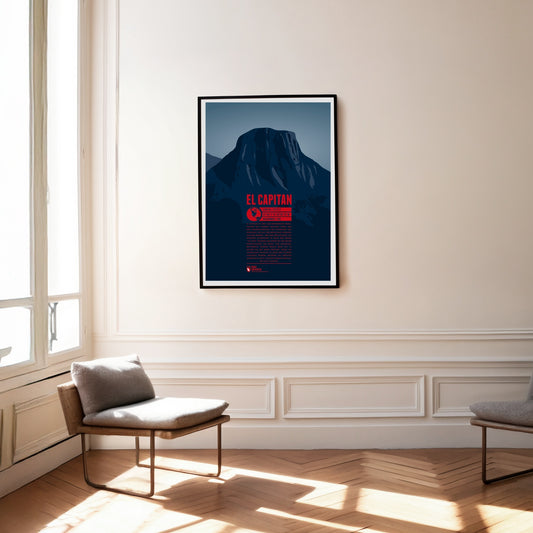
El Capitan is one of the most famous landmarks in Yosemite National Park and a dream destination for climbing fans from all over the world. The rock face, a good 1000 metres high, has a south-western and a south-eastern flank. The south ridge between them is known as "The Nose" and was climbed during the first ascent of the wall in 1958. More than 70 routes have since been established on the face; the fastest ascents have been completed in under two hours, while the longest stays on El Capitan's walls have lasted more than 200 days.
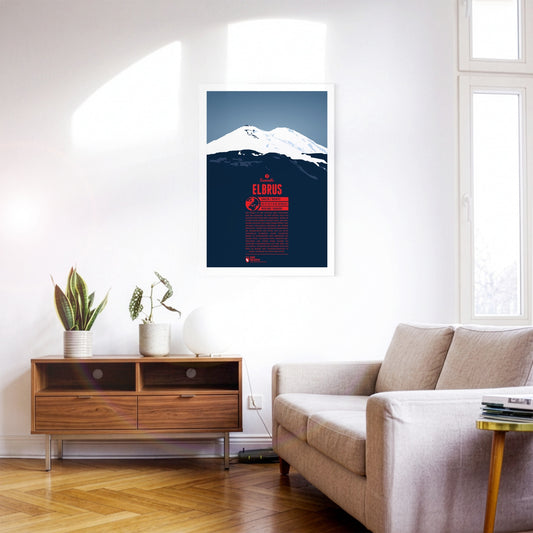
Elbrus is the highest mountain of Russia and in the Caucasus. It is often also regarded as Europe’s highest peak, making it one of the Seven Summits. The lower east summit of Elbrus was first climbed in 1829. The higher west summit was first reached in 1874. The normal route to the top is not particularly difficult. Thus the mountain was already climbed frequently during Soviet times. The great altitudes, low temperatures and harsh winds remain the biggest obstacles on the way to the summit. Because of the extreme cold winter ascents are still very rare.
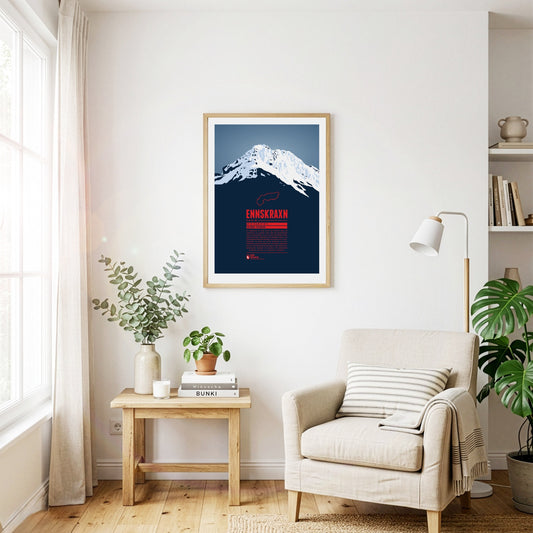
The Ennskraxn is not the highest mountain in Salzburg’s Kleinarl valley, but it is one of the most striking summits in the area. It is part of the Radstadt Tauern, a western subgroup of the Niedere Tauern. Locals simply call the mountain ‘Krax’. The Enns, Austria’s longest inland river, rises east of the summit. Trips around the mountain are especially colourful in early summer, when the hairy alpenrose – known locally as ‘Almrausch’ – is in bloom.
Etna is the highest mountain on Sicily and the highest active volcano in Europe outside the Caucasus. It is on the UN list of Decade Volcanoes, as well as a UNESCO world heritage site. Even though the Etna is in an almost constant state of volcanic activity thousand of tourists visit the mountain each year. There are also two ski resorts on its slopes.
Car races were once held on Fanø's broad beach. Many harbour and grey seals live around the island. Fanø is known for its traditional women's costumes.
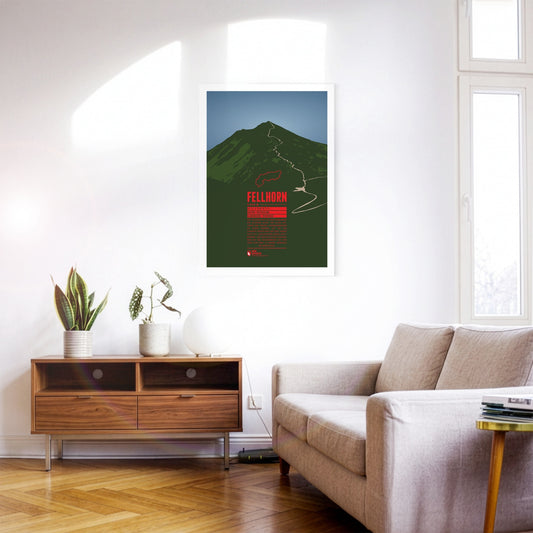
The Fellhorn is known as the flower mountain of the Allgäu Alps, especially due to the large fields of alpenroses on its slopes. As part of the Schafalp-group in previous times the mountain was also known under the name “Schlappolder Spitz”. From the Stillachtal valley the aerial lift Fellhornbahn takes visitors to a height of about 70 meters below the summit.
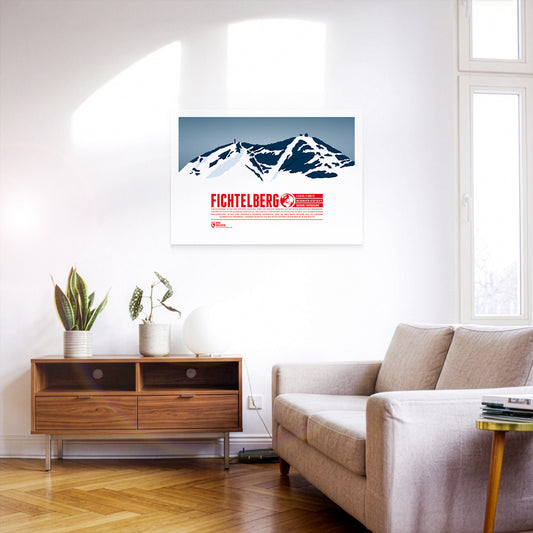
The Fichtelberg is the highest mountain of the German state of Saxony and the high point on the German side of the Ore Mountains. The highest mountain of the entire range, the Klínovec in Czech, is close-by in a distance of only three and a half kilometres. The largest ski resorts of the Ore Mountains are situated around both mountains. In combination they form the most important centre for winter sports in the area.
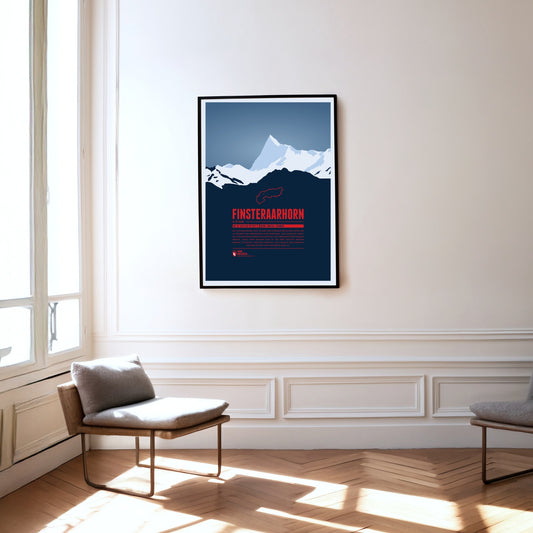
The Finsteraarhorn is located in a quite remote are of the Alps, surrounded by uninhabited glacial valleys. Seen from the northeast the summit resembles a shark's fin, from the soutwest it looks like a giant triangle. In spite of being the highest summit of the Bernese Alps the Finsteraarhorn's remote location makes it much less known than the lower peaks of Mönch, Eiger and Jungfrau.
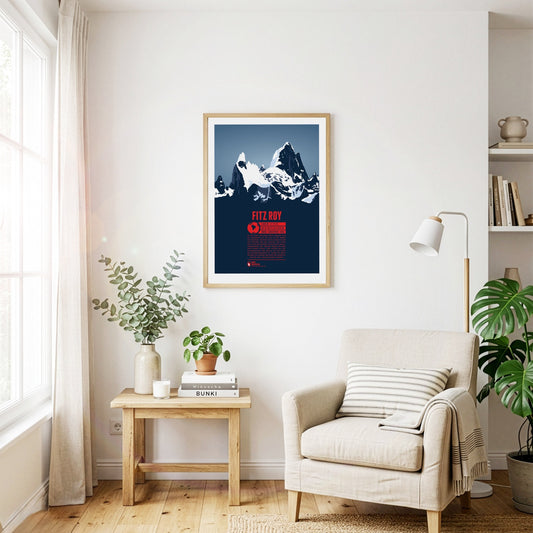
The majestic rock needles of Fitz Roy, reach heights of more than 3400 meters and rise into the sky of Patagonia. Fitz Roy is a dream destination for mountaineers and climbing to the top is a great Alpinistic challenge. The mountain was named after Captain Robert FitzRoy of the science vessel HMS Beagle. Since the mountain top is often surrounded by clouds the Native inhabitants of the area named the mountain El Chaltén - “the smoking one”.
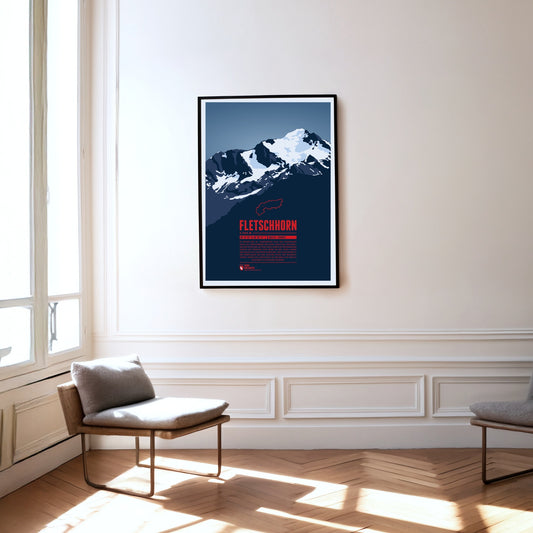
At the beginning of the 20th century the Fletschhorn was regarded as a four-thousander in the Alps. Due to the melting glaciers on the summit the elevation was updated to 3993 metres in the 1950s and 3985 metres in 2012. The Fletschhorn is the northernmost of the three great summits of the Weissmies Group. The Fletschjoch canyon separates it from the Lagginhorn in the south.
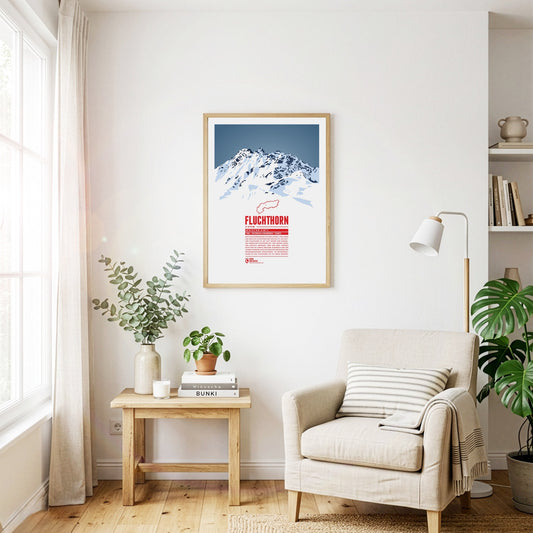
The Fluchthorn has three major peaks, of which the southern summit, Südliches Fluchthorn, was the highest at 3399 meters for a long time. However, after a massive rockfall on the southern summit in June 2023, which tore the summit cross with it, the middle peak, Mittleres Fluchthorn, has become the highest point of the mountain. Not only does the border between Austria and Switzerland run across the Fluchthorn peaks, but also the border between the German and Romansh language areas. In Romansh, the Fluchthorn is known as Piz Fenga.
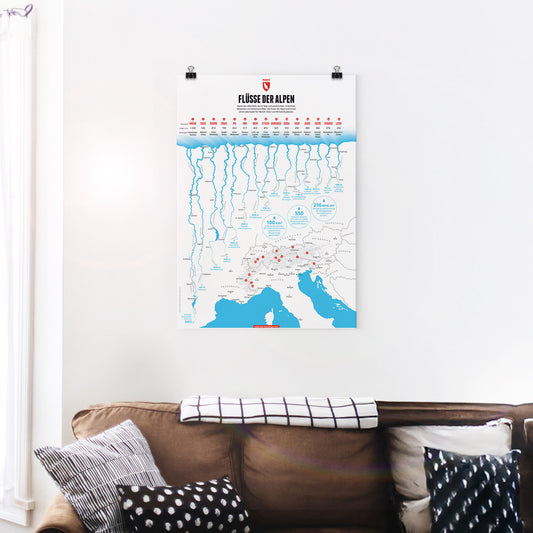
Some of Central Europe’s most important rivers have their source in the Alps. In this graphic we present the 15 longest rivers in the Alps. The Rhine is the longest Alpine river followed by the Sava, one of the many Danube tributaries in the Alps and the longest river in Slovenia. The third longest Alpine river is the Rhone, which while not the longest in France does have the largest volume of water of all French rivers.
The landscape on Föhr is flat and characterized by meadows and agricultural areas. In addition to the main town of Wyk, there are many small, picturesque villages. The beaches are narrow but very popular for swimming.
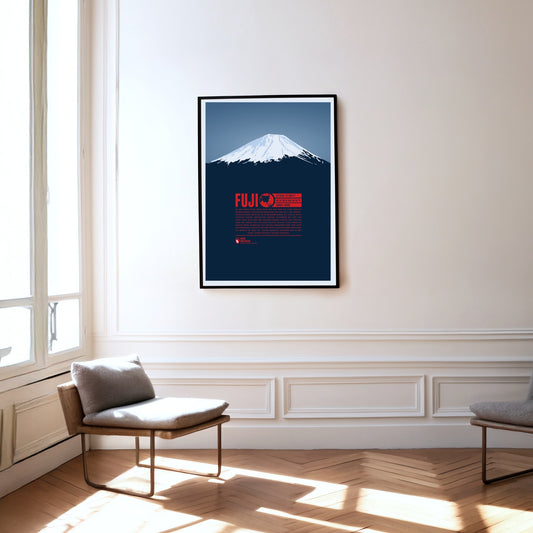
There is hardly another mountain on earth with such cultural significance as Mount Fuji. From ancient to modern times Fuji-san has almost been worshiped like a god in Japan. Together with Tate and Haku it is one of the Three Holy Mountains of Japan. The country's highest summit is still an active volcano, even though there is only a low chance of an eruption. The first recorded summit ascent was achieved by an unknown monk in 663. Women were only allowed access to the mountain in the 1860s.
The Furgler, just over 3000 m high, is part of the Samnaun Alps in Tyrol, Austria. It is one of the most visited mountains of the region. The lifts of the nearby ski resort Serfaus-Fiss-Ladis are often used when attempting to climb to the summit. The Furgler is also a popular destination among ski mountaineers.
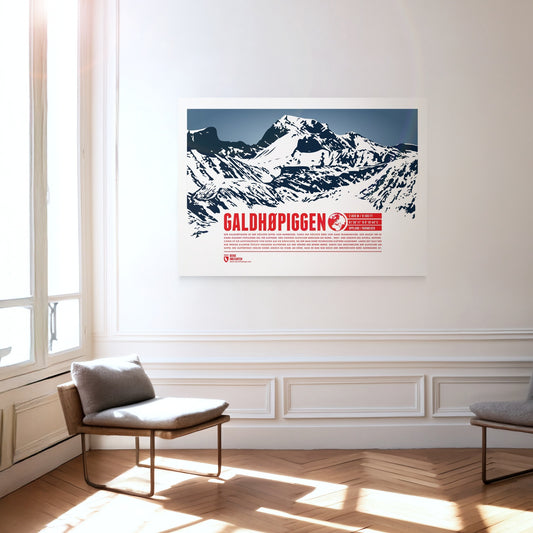
Galdhøpiggen is the highest summit in Norway and the highest mountain in all of Scandinavia, which makes it an extremely popular destination for climbers. Three larger glaciers cover the northern, western and southern sides of the summit, so the ascent route from the east is the easiest and requires no technical climbing. For a long time Glittertind, only a few kilometres to the east, was considered the higher of the two mountains. Melting glaciers at Glittertind’s summit have cost it so much height, however, that it is now only Norway’s second-highest mountain.
Gamsfeld is the highest mountain and the only two-thousander in the Salzkammergut Mountains. The slopes of Gamsfeld below the dome-shaped summit drop steeply in all directions, making ascents somewhat demanding. The efforts are rewarded with a breathtaking view of the noticeable higher mountains of the Dachstein massif in the south and the lakes of the Salzkammergut in the north. Gamsfeld is also known for the lush Alpine flora on its slopes. Alpine roses can form dense carpets of flowers during their bloom.
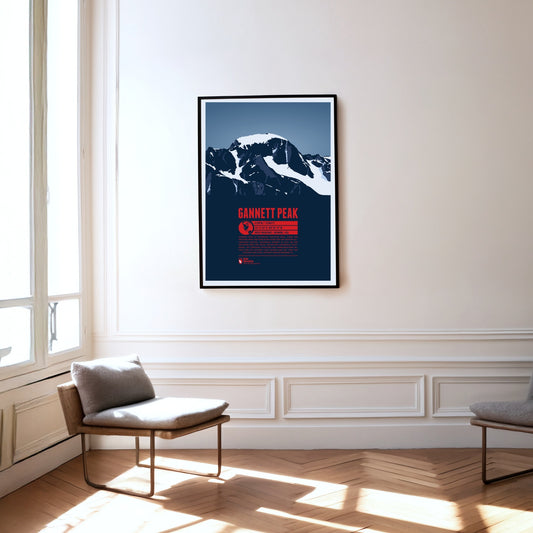
Gannett Peak is the highest mountain in Wyoming and the highest peak of the Wind River Range and the Greater Yellowstone Rockies. It is also the highest summit of the Rocky Mountains outside of Colorado. The largest glaciers in the American Rocky Mountains and the remote location of the mountain make it quite difficult to climb.
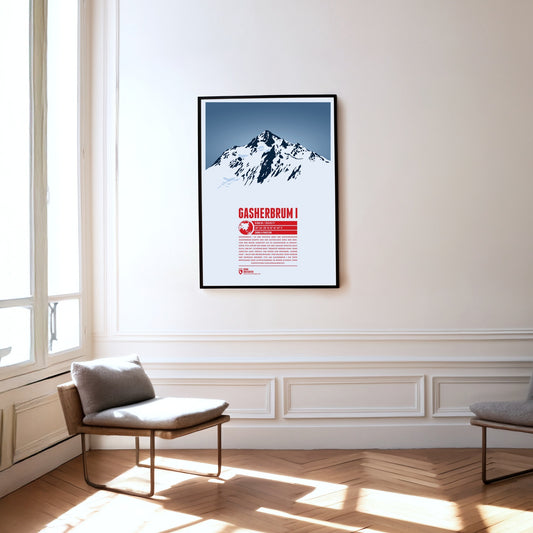
Gasherbrum I is the highest mountain of the Gasherbrum group of the same name and the eleventh-highest mountain on Earth. Initially recorded by the British as K5 (Karakoram 5), the name from the local Balti language later prevailed; it can be translated as ‘beautiful mountain’. Its remote position also earned it the nickname ‘Hidden Peak’. After the first ascent in 1958, Peter Habeler and Reinhold Messner achieved the first ascent of an eight-thousand-metre peak in pure Alpine style without supplementary bottled oxygen on Gasherbrum I in 1975.
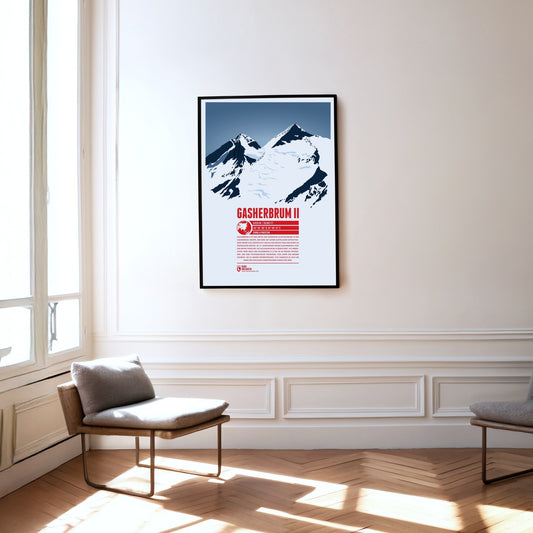
Gasherbrum II is the third and lowest eight-thousand-metre peak in the Gasherbrum group. The mountain with its striking summit pyramid rises south-east of K2 and Broad Peak, placing it at the centre of the group. In the 19th century the British initially designated Gasherbrum II as K4 (Karakoram 4). Gasherbrum III (7946 m) to the west, with a topographic prominence of less than 500 metres, is usually regarded as its subsidiary peak. Until its first ascent in 1975 it was one of the highest unclimbed points on Earth.
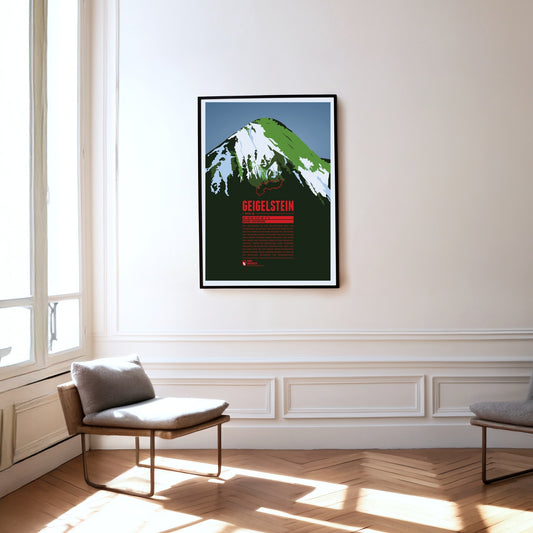
The Geigelstein is the third-highest mountain in the Chiemgau Alps and the highest of its summits to lie entirely in Bavaria. With its summit ridge of a good 100 metres and its sloping flanks, the mountain resembles a pointed roof, especially when seen from the south. Protests against the construction of a larger ski area on the Geigelstein led to a good 300 hectares being placed under nature protection in 1991. Among other things, it is an important breeding ground for peregrine falcons.
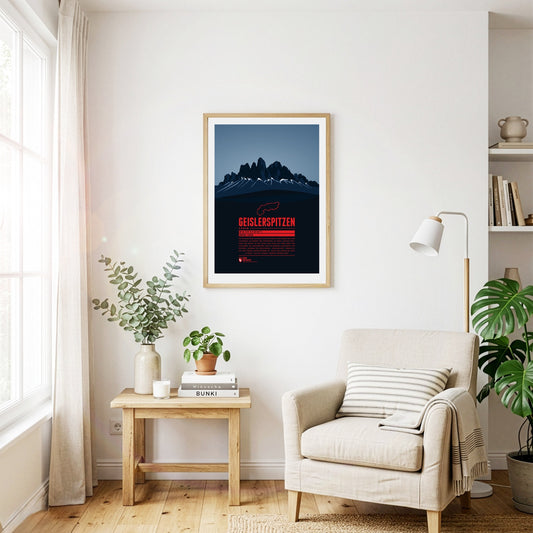
The Geisler group is part of the Dolomites situated between Funes Valley in the north and Val Gardena in the south. The highest peak of the group is Sass Rigais with 3025 m. The Geisler group is a popular destination for climbers. While the German name of the group probably goes back to a person named “Geisler”, the Ladin name “Le Odles” can be translated as “needles”.
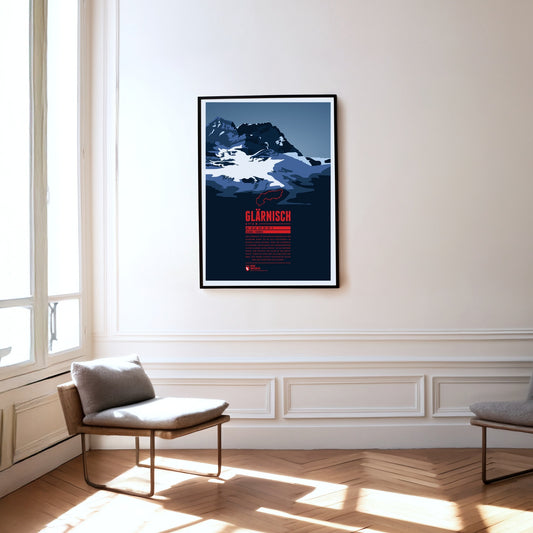
The Glärnisch is the highest massif of the Schwyz Alps. As it lies entirely within the canton of Glarus, other classifications of the mountain groups count the Glärnisch among the Glarus Alps. It has several summits, the highest of them the Bächistock. Thanks to its height and position, the mountain offers fantastic views over north-eastern Switzerland from its peaks.
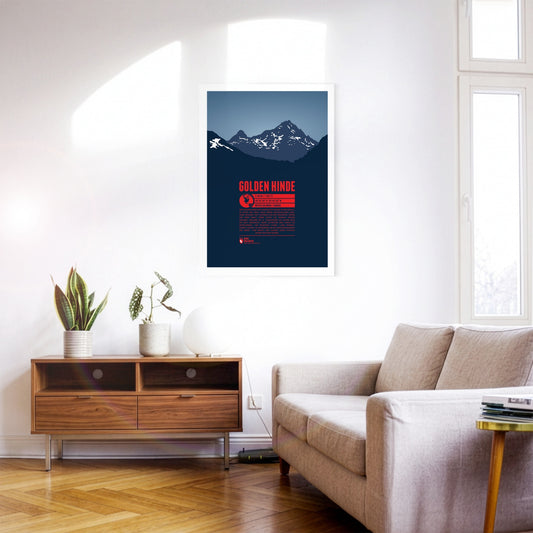
The Golden Hinde is the highest point on Vancouver Island, located very close to the island's geographical center. Clearly visible from the west coast, it was named after the ship used by Sir Francis Drake, who was the first British to sail around the world in the 16th century. Early alpinists called the mountain “The Rooster's Comb”, due to its apperance, before it got its official name in 1938.
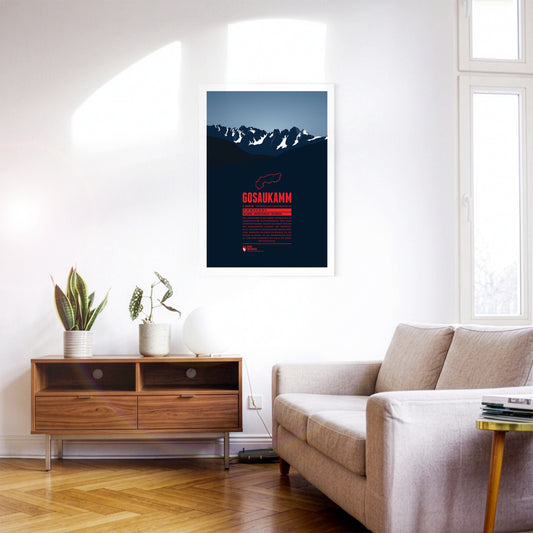
The Gosaukamm is a small mountain massif in the Austrian Dachstein Mountains. The border between the Austrian states of Salzburg and Upper Austria runs along the rough mountain ridge. The Gosaukamm is a popular destination for extreme skiers in the winter due to its steep slopes. Since the danger of avalanches is quite high though, it is recommended only for skilled skiers familiar with the area.
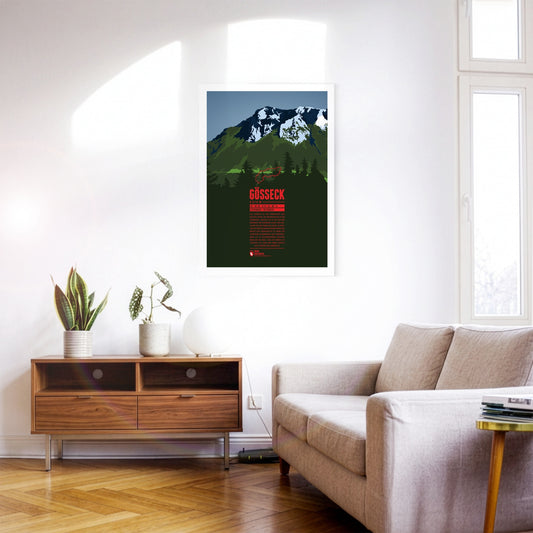
The Gößeck is the northernmost and highest summit of the Reitingstock in Styria. It is also the highest point of the Eisenerz Alps, the southern part of the Ennstal Alps. In spring the overgrown slopes of the Reiting make the massif one of the finest flower mountains in Styria: more than 70 species of orchid grow around it. The wildlife is varied too – red deer live here alongside chamois and ibex.
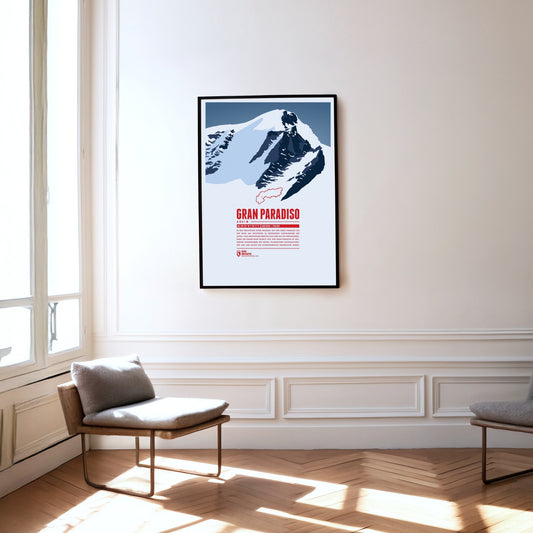
Situated in the Graian Alps, the Gran Paradiso is regarded as the Alps' easiest four-thousander to climb. Many mountaineers prepare here for the challenge of climbing the nearby Mont Blanc. The first Italian national park which spreads around Gran Paradiso is named after the mountain. The park was established in 1856 to protect the endangered Alpine ibex.
The Grand Combin mountain massif is part of the Pennine Alps in the southwest of the Swiss canton of Vallais. Its three major peaks belong to the highest in the entire Alps. Large parts of the mountains are glaciated which is why people also call it a “giant ice block”. The ascent is dangerous but rewards climbers with a magnificient view over clear mountain lakes.
Being only the second highest peak in Wyoming after Gannett Peak, Grand Teton is surely the more famous mountain in the state, as well as one of its best-known landmarks. It is also one of the prime destinations for climbers in the Rocky Mountains. Grand Teton is the highest point in the Teton Range, the geologically youngest Rocky Mountains subrange, with a number of peaks rising up dramatically about 5000 to 7000 feet (1500 - 2100 m) on the eastern side, making it one of the most iconic mountain ranges of the Rockies. The name goes back to French trappers who named the three Tetons, Grand, Middle, and South in the 19th century. The native American name of the Shoshone tribe can be translated with “Hoary Headed Fathers.”
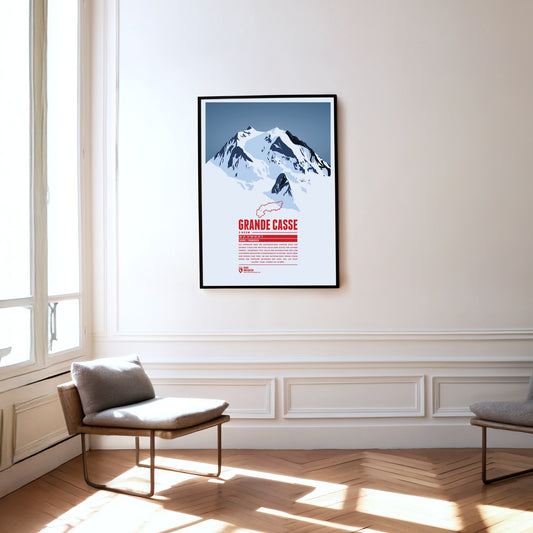
Situated in the centre of Vanoise National Park the Grande Casse plays a crucial part in the protection of the Alpine fauna. Founded in 1963 the national park was supposed to protect endagered species as the Alpine ibex, the number of which climbed back up to 2500. Around the national park there are some of the largest ski resorts in the Alps as “Les 3 Vallées” or “Tignes/Val-d'Isère”.
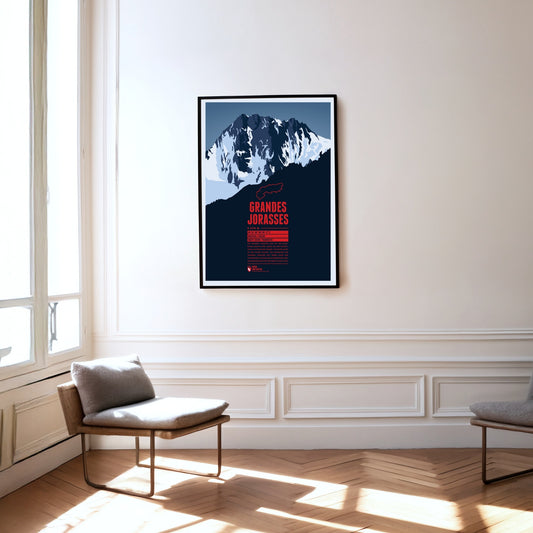
The summits of the Grandes Jorasses are part of the Mont Blanc massif on the French-Italian border. The highgest peak is Pointe Walker. Besides Eiger and Matterhorn, the Grandes Jorasses' north face is known as one of the greatest challenges for climbers in the Alps.
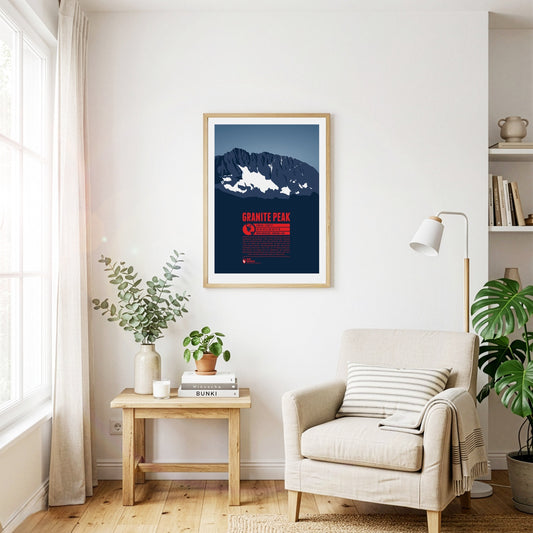
Granite Peak is the highest point in Montana and in the Beartooth Mountains. Of all the ascents of the US state high points Granite Peak is considered to be one of the most difficult. It was also the last of the state high points to be climbed. The first ascent took place only in 1923. While it is possible, to reach the summit in one day, most mountaineers choose to make the ascent in a two day tour.
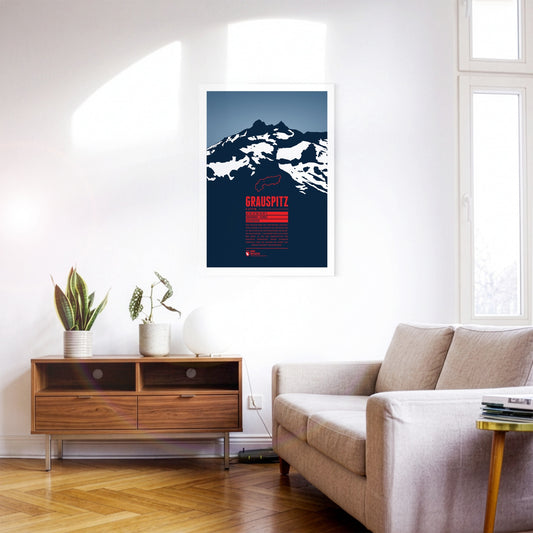
The highest mountain of Liechtenstein is part of the Rätikon range and a popular destination for Liechtenstein's sportive inhabitants. The rhine flows seven kilometers west of the summit and takes up the mountain's water. A few kilometers to the north you can find Liechtenstein's only ski resort “Malbun/Sareis”.
Regular price
from 19 €
Regular priceSale price
from 19 €
Books, maps and more.
About the Alps and the world.